Supplements · Updated 2026-11-21
Best Plant-Based Protein Powders (2026-2027)
Six tubs ranked on what the label can prove, what the ingredient deck adds and what a serving really costs. Garden of Life Sport leads on certification; NOW's one-ingredient pea isolate is the best money on the shelf.
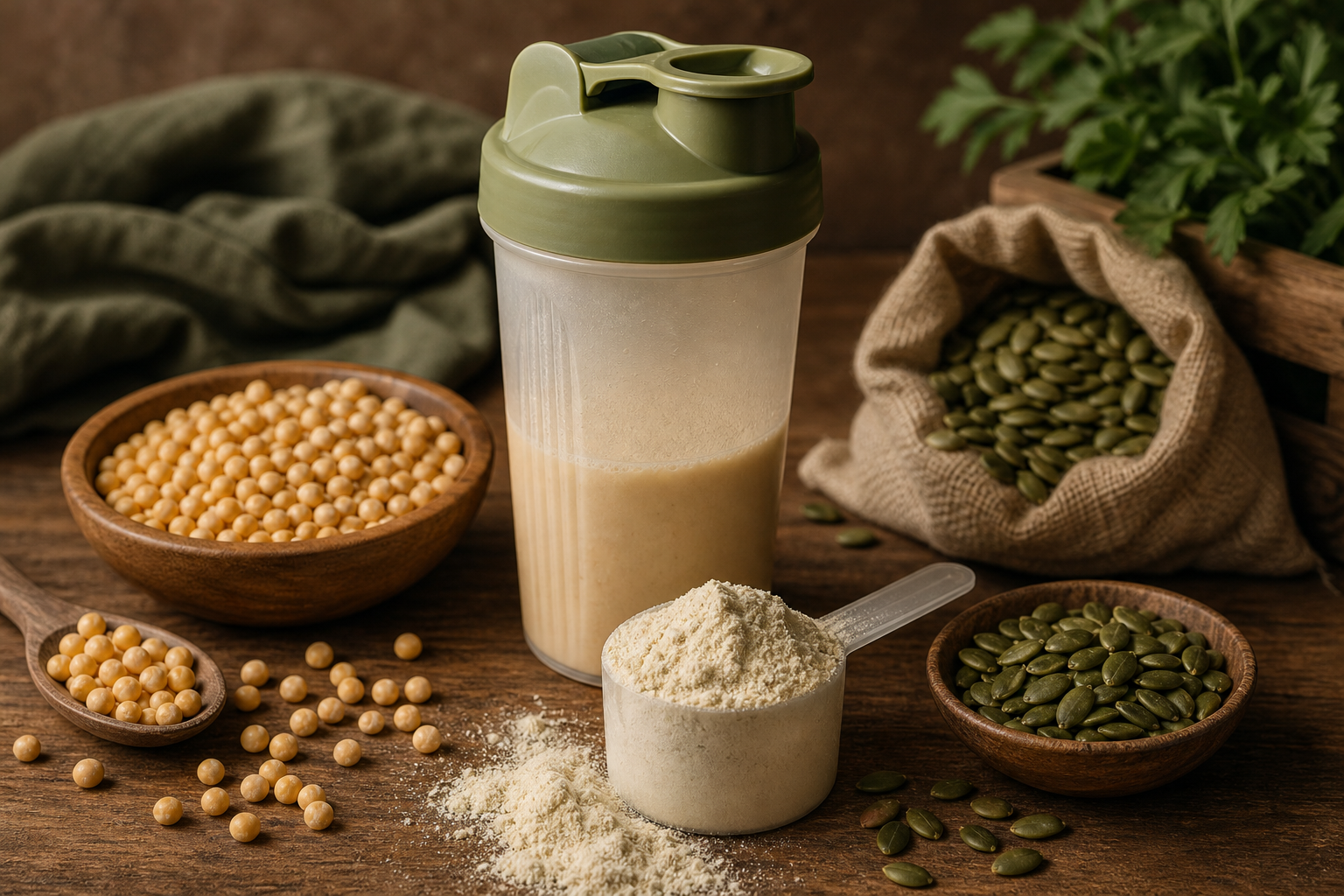
A plant protein powder has one job — a useful dose of protein without a long tail of extras — and the label is where it proves it. We compared the tubs most stocked in natural grocers and online on four things: third-party certification, protein per serving, the full ingredient deck, and the price per serving and per gram of protein. Garden of Life Sport is first because it pairs USDA Organic and NSF Certified for Sport with 30 grams of protein a serving, the strongest label in the aisle; NOW's single-ingredient pea isolate wins on cost per gram, Orgain wins on being everywhere, and all three facts are in the table.
Garden of Life Sport Organic Plant-Based Protein9.0/10
Best for: most people who want a certified, organic tub for training or everyday shakes
Garden of Life's Sport tub carries the two seals that matter most on a protein label — USDA Organic and NSF Certified for Sport — and backs them with 30 grams of protein a serving. NSF certification means an independent lab has checked that the tub contains what the label says and screened it for contaminants and substances banned in sport, which is why it ranks first. The price is the catch: it is one of the dearer servings on this list.
What works
- USDA Organic and NSF Certified for Sport on the same tub
- 30 g protein per serving
- Stocked at Whole Foods and most natural grocers
What doesn’t
- Per-serving cost sits near the top of this list
- Bulky plastic tub with plenty of settled headspace
Price: About $40–$55 per tub of roughly 20 servings Platforms: Whole Foods, online Developer site
NOW Sports Pea Protein8.7/10
Best for: people who want one ingredient and the lowest cost per gram of protein
The unflavoured tub lists a single ingredient — pea protein isolate — and gives about 24 grams of protein a scoop for around a dollar a serving. That makes it the shortest deck and the lowest cost per gram of protein on the list. You give up flavour, and pea isolate carries more sodium than most people expect, so check the panel if you drink more than one shake a day.
What works
- One-ingredient deck: pea protein isolate, nothing added
- Lowest cost per gram of protein here
- Neutral base for smoothies, oats and baking
What doesn’t
- Pea isolate carries a few hundred milligrams of sodium per scoop
- Unflavoured and earthy on its own; needs a blender or a strong base
Price: About $20–$30 per 2 lb tub Platforms: Online, retail Developer site
Orgain Organic Protein8.1/10
Best for: a flavoured organic tub you can pick up with the weekly shop
Orgain is the plant protein most people will find without looking: USDA Organic, stocked by warehouse clubs, Target and most grocers, and priced well below the sport tubs. Its pea, brown rice and chia blend gives 21 grams of protein per two-scoop serving. That is less than the leaders, so the cost per gram of protein is closer to theirs than the sticker suggests, and the flavours are sweetened with erythritol and stevia.
What works
- USDA Organic at a mainstream price
- Pea and brown rice together round out the amino acid profile
- Easy to find in supermarkets and warehouse clubs
What doesn’t
- 21 g protein per serving trails the sport tubs, which narrows the price gap per gram
- Sweetened with erythritol, which has drawn scrutiny since 2023 cardiovascular research
Price: About $28–$38 per 2 lb tub (20 servings); club sizes cost less Platforms: Online, retail Developer site
Vega Sport Premium Protein7.8/10
Best for: athletes who want a certified tub and do not need organic
Vega Sport matches the leader on the two numbers athletes check — 30 grams of protein and NSF Certified for Sport — from a pea, pumpkin seed, sunflower seed and alfalfa blend. It is not certified organic, though, and it costs about the same as Garden of Life's tub, which carries both seals.
What works
- NSF Certified for Sport
- 30 g protein per serving
- Wide distribution in natural and mainstream grocers
What doesn’t
- Top-tier price per serving without the organic seal
- Long ingredient deck next to single-ingredient options
Price: About $45–$60 per tub of roughly 20 servings Platforms: Whole Foods, online Developer site
KOS Organic Plant Protein7.2/10
Best for: people who want a flavoured, seed-forward blend over a sport formula
KOS blends pea protein with flax, quinoa, pumpkin seed and chia in a USDA Organic powder with about 20 grams of protein per serving and added digestive enzymes. It is built for flavour rather than training, and the longer deck and lower dose per scoop keep it mid-table.
What works
- USDA Organic seed-and-legume blend
- Adds digestive enzymes, for those who want them
- Sold at warehouse clubs, mass retailers and online
What doesn’t
- About 20 g protein per serving, behind the sport tubs
- Long ingredient deck; smaller tubs cost noticeably more per serving
Price: About $1.30–$2.20 per serving, by tub size Platforms: Online, retail Developer site
Manitoba Harvest Hemp Pro 706.9/10
Best for: people avoiding pea and soy
Hemp protein starts from pressed hemp seed and stays closer to the seed than a pea isolate does; Hemp Pro 70 is Manitoba Harvest's most concentrated version, with about 20 grams of protein a serving. It is naturally low in sodium and free of pea and soy. It ranks last because hemp is lower in lysine than pea or soy, it costs more per gram of protein than pea isolate, and the taste is distinctly grassy.
What works
- Naturally low in sodium
- No pea or soy — a different allergen profile
- Short deck on the unflavoured tub
What doesn’t
- Lower in lysine than pea or soy protein
- Costs more per gram of protein than pea isolate
- Grassy taste that needs a strong base
Price: About $20–$30 per 16 oz tub Platforms: Online, retail Developer site
The short version
Buy the top pick where it is stocked; otherwise work down the list and accept the trade each step makes explicit.
Questions we get
What did the review cover?
The published ingredient list, the certifications claimed, cost per serving and where it ships, in November 2026.
Why is scoring editorial?
Because no lab runs a common test here. The deck and the price are what can be compared.
Do you get paid?
No commission on any link.
How old are the prices?
November 2026. Treat them as approximate.
Organic equals healthy?
No. It is a standard for farming, not for nutrition.
Scores follow the Canyon rubric. Prices were checked on the date above; app pricing changes often. Written by Imogen Patel.