Pantry · Updated 2026-11-21
Best Organic Baby Food Brands (2026-2027)
Seven organic ranges, ranked on what the back of the pack says rather than the front. Cerebelly leads because its blends lead with vegetables and its contaminant testing is certified by an outside body; the rest are good at narrower jobs than their pouches suggest.
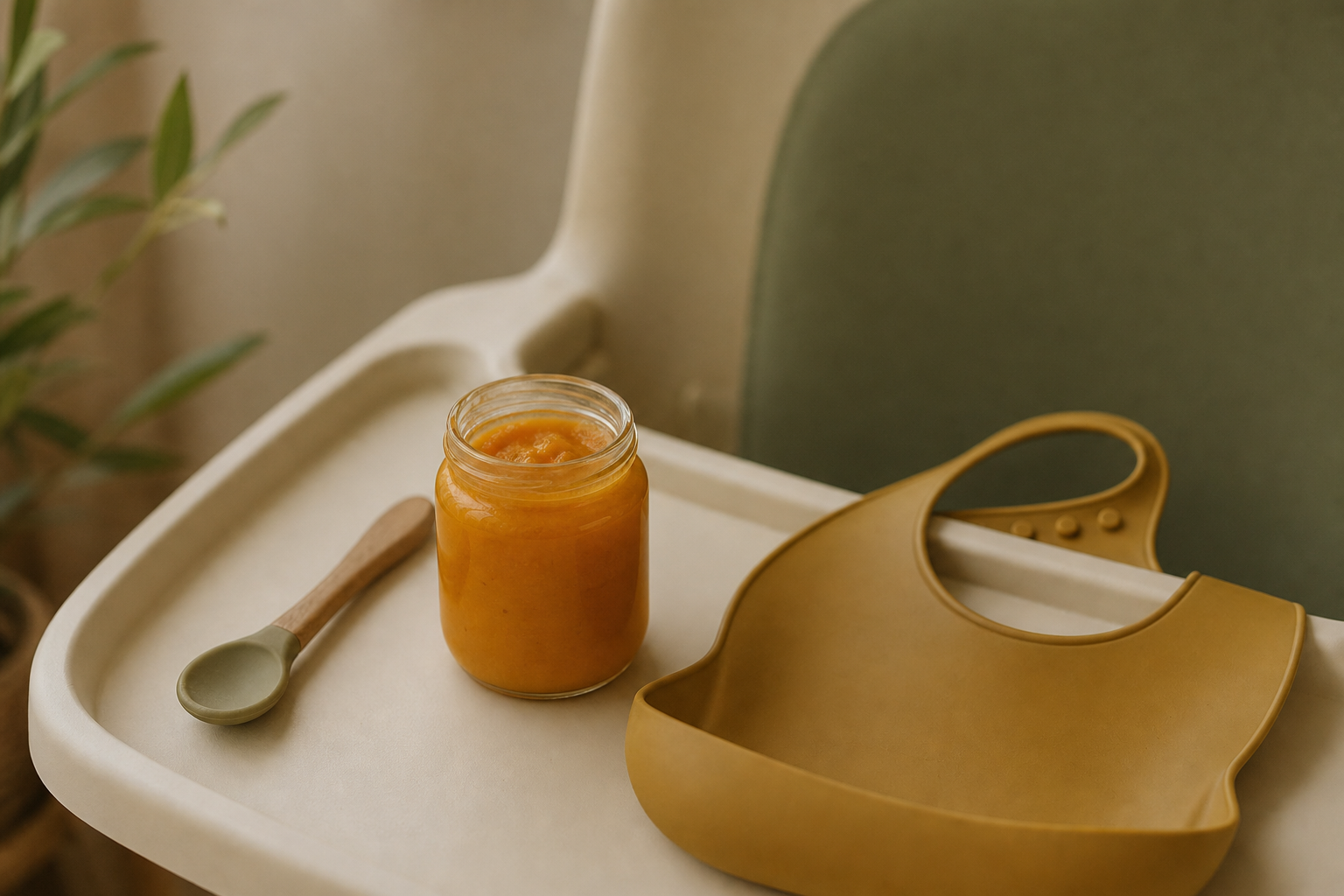
An organic seal tells you how the carrots were grown. It doesn't tell you how much of the pouch is apple, what it costs per ounce, or what the brand found when it tested for lead. We read the labels and ingredient decks across seven organic ranges, priced them per ounce at list price, read the heavy-metal results each brand publishes, and checked subscription terms where a brand ships direct. Cerebelly is first because its blends lead with vegetables and its testing carries outside certification; Once Upon a Farm wins on freshness and Earth's Best and Gerber win on price, and all of that is in the table.
Cerebelly9.1/10
Best for: parents who want veg-led purees without a cold chain
Cerebelly builds its purees around vegetables, and most blends list one first rather than apple or pear. The range is organic, shelf-stable until opened, and its contaminant testing is certified by the Clean Label Project. It costs more per pouch than the supermarket ranges and the flavor list is shorter, but on the job baby food exists to do — getting vegetables into a small person — it is ahead.
What works
- Vegetable listed first on most blends
- Clean Label Project contaminant certification
- Shelf-stable until opened; no cold chain
What doesn’t
- Pricier per pouch than Earth's Best or Gerber
- Pouches aren't curbside recyclable
Price: About $2.50–$3 per pouch Platforms: Online, retail Developer site
Once Upon a Farm8.6/10
Best for: families who shop the refrigerated aisle anyway
Once Upon a Farm cold-presses its organic blends instead of heat-treating them, and the color and taste show it. The catch is the cold chain: pouches live in the fridge case, keep for far less time than shelf-stable ones, and cost more per ounce.
What works
- Cold-pressed, not heat-processed
- In fridge cases at major grocers, plus online delivery
- Clear veg-led and fruit-led blend names
What doesn’t
- Must stay refrigerated; short shelf life
- Among the highest per-ounce prices here
Price: About $2.50–$3.50 per pouch Platforms: Online, retail Developer site
Little Spoon8.1/10
Best for: parents who want fresh purees delivered on a schedule
Little Spoon's Babyblends are organic, cold-pressed and delivered to the door, and the range grows with the child into toddler plates and finger foods. It is a subscription, so the convenience comes with order cutoffs, insulated packaging and a per-blend price that depends on the plan.
What works
- Organic, cold-pressed blends delivered fresh
- Range continues into toddler meals and snacks
- Skip or pause between deliveries
What doesn’t
- Subscription with order cutoffs
- Insulated boxes and ice packs every delivery
- Per-blend price rises on smaller plans
Price: varies by box/plan Platforms: Subscription Developer site
Happy Baby Organics7.6/10
Best for: parents who want one brand from first purees to snacks
Happy Baby has the widest organic range here — pouches, jars, cereals, puffs and yogurt melts — and its Clearly Crafted packs let you see the food before you buy it. Many of its best sellers lead with fruit, so read the deck rather than the name.
What works
- Broadest organic range in the test
- Clearly Crafted packs show the food
- Easy to find in supermarkets
What doesn’t
- Fruit leads many best-selling blends
- Snack line adds a lot of single-use packaging
Price: About $1.80–$2.50 per pouch Platforms: Online, retail Developer site
Earth's Best Organic7.3/10
Best for: budget-minded parents who prefer glass jars
Earth's Best is the long-running organic staple, and its first foods still come in glass jars that recycle at the curb. Price is the main argument; the decks are plain and there are fewer veg-led blends than at the top of the list.
What works
- Low per-ounce price
- Glass jars recycle curbside in most areas
- Simple single-ingredient first foods
What doesn’t
- Fewer veg-led blends
- Glass is heavier to carry and ship
Price: About $1.30–$2 per jar or pouch Platforms: Online, retail Developer site
Plum Organics6.9/10
Best for: parents who want pouches that grow into toddler blends
Plum's pouches are dependable, and its Mighty 4 blends fold grains and protein in alongside fruit and vegetables for toddlers. The decks lean on fruit more than the leaders, and the per-pouch price sits in the middle without a clear edge.
What works
- Mighty 4 blends add grains and protein
- Stage-by-stage range is easy to navigate
What doesn’t
- Fruit-forward decks
- Pouches aren't curbside recyclable
Price: About $1.80–$2.30 per pouch Platforms: Online, retail Developer site
Gerber Organic6.5/10
Best for: parents who need organic at the lowest shelf price
Gerber's organic line is in nearly every supermarket and is usually the cheapest organic option on the shelf. The decks are fruit-heavy, the packaging is plastic tubs and pouches, and there is little here the higher-ranked brands don't do better.
What works
- Among the lowest per-ounce prices here
- Available almost everywhere
What doesn’t
- Fruit-heavy decks
- Plastic tubs and pouches
Price: About $1.30–$2 per pouch or tub Platforms: Online, retail Developer site
The short version
If you want vegetables to do most of the work, Cerebelly is the pick, and it keeps in the cupboard until it's opened. Take Once Upon a Farm if you already shop the fridge case and want the freshest taste, or Little Spoon if delivery on a schedule is worth a subscription. Earth's Best is the right answer when the budget is tight and you'd rather recycle glass than throw away pouches.
Questions we get
Is organic baby food lower in heavy metals?
Not by definition. Organic rules cover pesticides and fertilizers, not lead, arsenic or cadmium, which come from soil and water. Rice-based foods and root vegetables tend to run higher whatever the farming method, which is why rotating foods matters more than the seal.
Is Cerebelly worth paying more than a supermarket brand?
If vegetables are the goal, yes: its blends lean on vegetables where cheaper pouches lean on fruit, and the outside certification adds a check the budget ranges don't advertise. If you mainly need volume, Earth's Best jars cover first foods for less.
Why is Gerber Organic last when it's the cheapest?
Price is one line of the rubric. Fruit-heavy decks and plastic packaging cost it points elsewhere; it is still a sound choice when organic at the lowest price is the brief.
Did you lab-test these brands for heavy metals?
No. We read the results each brand publishes — brands selling in California must post them under AB 899 — alongside the FDA's action levels for lead in baby food. We did not commission our own tests.
Can baby food pouches be recycled?
Rarely at the curb. Most pouches are multilayer laminates, so they need a brand mail-back or store drop-off scheme where one exists. Glass jars and their metal lids go in ordinary recycling in most areas.
Scores follow the Canyon rubric. Prices were checked on the date above; app pricing changes often. Written by Imogen Patel.