Drinks · Updated 2026-11-21
Best Natural Energy Drinks (2026-2027)
Six cans and shots whose caffeine comes from a plant you can name, ranked on the deck, the sugar and the price per serving. Guayakí leads because its organic, Fair Trade mate is the best-sourced caffeine on the shelf; the rest win narrower arguments.
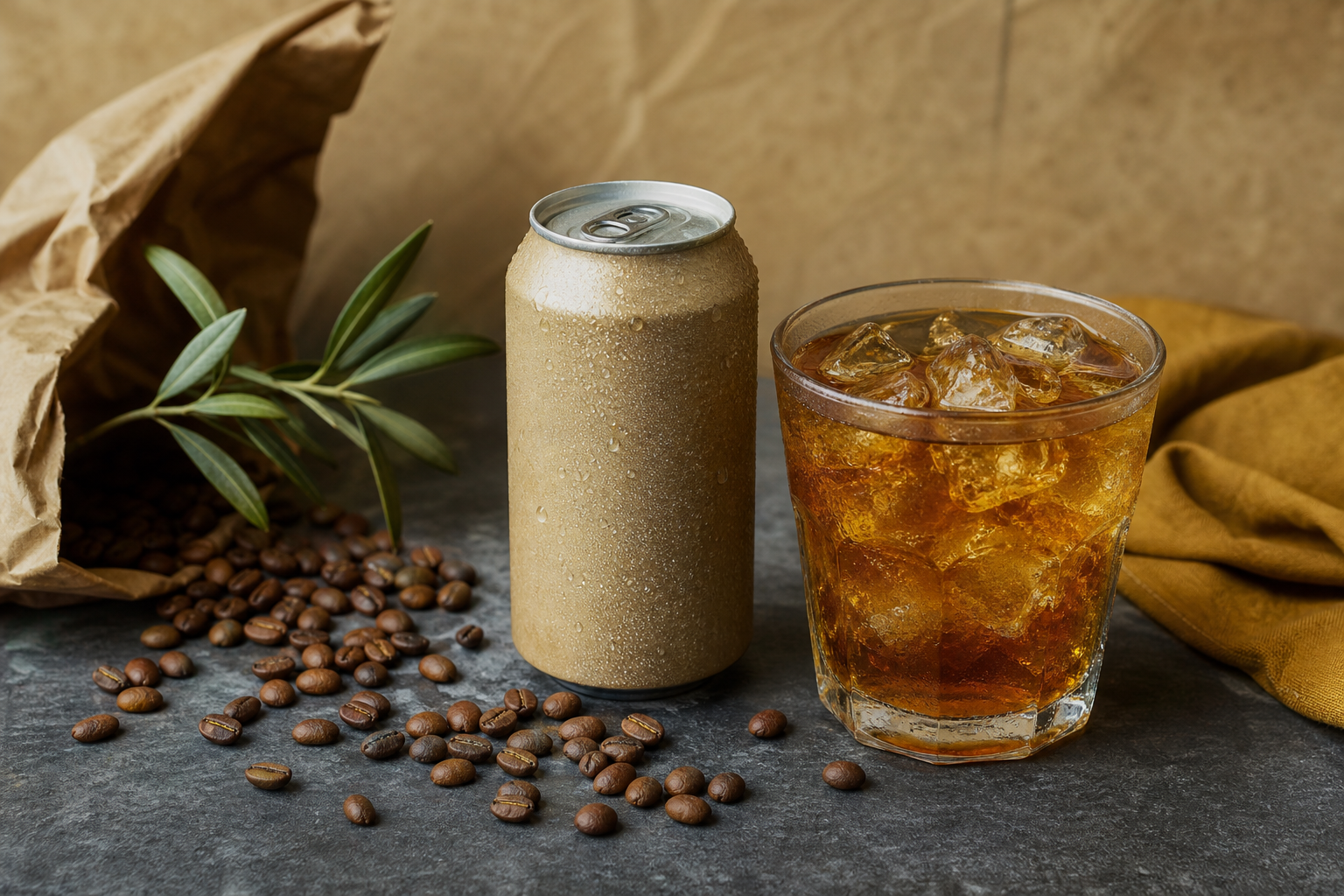
'Natural' on an energy drink is a marketing word, not a standard, so we went to the deck: where the caffeine comes from, what sweetens it, and what a serving costs. We read the labels on six ranges, priced them per can or shot at list price, and left out anything built on synthetic caffeine or sucralose. Guayakí is first because its caffeine is organic, Fair Trade yerba mate in a widely recyclable can; Yerbaé wins on sugar and Rise Brewing has the shortest deck, and both facts are in the table.
Guayakí Yerba Mate9.0/10
Best for: most people swapping out a mainstream energy drink
Guayakí's canned mate takes its caffeine from organic, Fair Trade yerba mate, and the brand ties that sourcing to shade-grown mate in South America's Atlantic Forest. The cans are easy to find and the caffeine is printed on them. Most flavors are sweetened with organic cane sugar, so it is not the leanest deck here, but as a replacement for a mainstream energy drink — a similar lift with a named plant behind it — it is ahead.
What works
- Organic, Fair Trade Certified mate
- Caffeine amount printed on the can
- Aluminum cans; sold almost everywhere
What doesn’t
- Most flavors sweetened with cane sugar
- Pricier per can than mainstream energy drinks
Price: About $2.75–$3.50 per can Platforms: Online, retail Developer site
Yerbaé8.4/10
Best for: people who want zero sugar without sucralose
Yerbaé pairs yerba mate with white tea for its caffeine and sweetens with stevia, so the panel reads zero sugar and zero calories. The trade is taste: the stevia finish divides people.
What works
- Zero sugar, no sucralose
- Caffeine from mate and white tea
- Wide flavor range
What doesn’t
- Stevia aftertaste divides tasters
Price: About $2.50–$3 per can Platforms: Online, retail Developer site
Proper Wild8.0/10
Best for: people who want a small dose instead of a full can
Proper Wild's shots take their caffeine from organic green tea and add L-theanine, the tea compound associated with a smoother lift. The format is the problem: a small plastic bottle for every serving and a per-serving price above most cans.
What works
- Organic green tea caffeine plus L-theanine
- Shot format fits a pocket
What doesn’t
- Small plastic bottles for every serving
- Higher per-serving price than a can
Price: About $3–$3.50 per shot Platforms: Online, retail Developer site
GURU Organic Energy7.6/10
Best for: energy-drink fans who want an organic version of the familiar can
GURU looks and tastes closest to a conventional energy drink, but its caffeine comes from guarana and green tea and the drink is certified organic. The original can carries real sugar, and US shelf presence is patchier than the brands above.
What works
- Certified organic
- Caffeine from guarana and green tea
- Lighter versions for less sugar
What doesn’t
- Original can is sugar-sweetened
- Patchier US availability
Price: About $2.50–$3 per can Platforms: Online, retail Developer site
Rise Brewing Co.7.2/10
Best for: coffee drinkers who want the shortest deck
Rise's organic nitro cold brew is coffee and water in a can, which makes its black version the cleanest deck in this test. It is not built as an energy drink — no flavor system, no sweetness unless you buy the latte cans — and the price per can sits at the top of the range.
What works
- Organic coffee and water, nothing else
- Nitro texture without dairy or sugar
What doesn’t
- Top-of-range price per can
- Coffee acidity bothers some stomachs
Price: About $3–$4 per can Platforms: Online, retail Developer site
Ito En Matcha Love6.8/10
Best for: tea drinkers who want a gentle, unsweetened lift
The unsweetened matcha cans are essentially tea and water, so the deck is nearly as short as Rise's. The caffeine is lower than a true energy drink, which is the point for some people and the problem for the rest.
What works
- Unsweetened, short deck
- Gentler caffeine dose
What doesn’t
- Too little caffeine for an energy-drink swap
- Grassy taste is an acquired one
Price: About $2–$3 per can Platforms: Online, retail Developer site
The short version
If you want an energy drink you can trace to a plant and a farm, Guayakí is the pick and you can buy it almost anywhere. Take Yerbaé if sugar is the line you won't cross, or Proper Wild if you want a small dose you can carry. Rise Brewing is the right answer when you'd rather drink coffee and nothing else.
Questions we get
How much caffeine is too much?
The FDA puts the amount not generally linked to negative effects at 400 mg a day for healthy adults. Pregnant people are usually advised to stay under 200 mg, and energy drinks are not recommended for children or teenagers.
Is the sugar in Guayakí a problem?
It depends on the rest of your day. Most canned flavors are sweetened with organic cane sugar, so check the panel; if you want zero sugar, Yerbaé is the better pick from this list.
Why aren't Red Bull or Celsius on the list?
Red Bull's caffeine is synthetic and Celsius sweetens with sucralose. We limited the list to drinks whose caffeine comes from a named plant ingredient and whose sweetener, if any, is sugar or a plant extract.
Did you test caffeine levels yourselves?
No. We used the figures each brand prints or publishes. The FDA doesn't require caffeine amounts on food labels, so a printed number counted in a brand's favor. No lab work was commissioned.
Is natural caffeine different from synthetic caffeine?
The molecule is the same. What differs is what comes with it — L-theanine in tea, other compounds in coffee and mate — and how clearly the label tells you where it came from.
Scores follow the Canyon rubric. Prices were checked on the date above; app pricing changes often. Written by Imogen Patel.